Aosta Valley Italy
The Heart of Your Retreat Experience
Why the Italian Alps are the perfect setting for rest, nature, and renewal
It is where our Italy retreat experience truly comes to life.
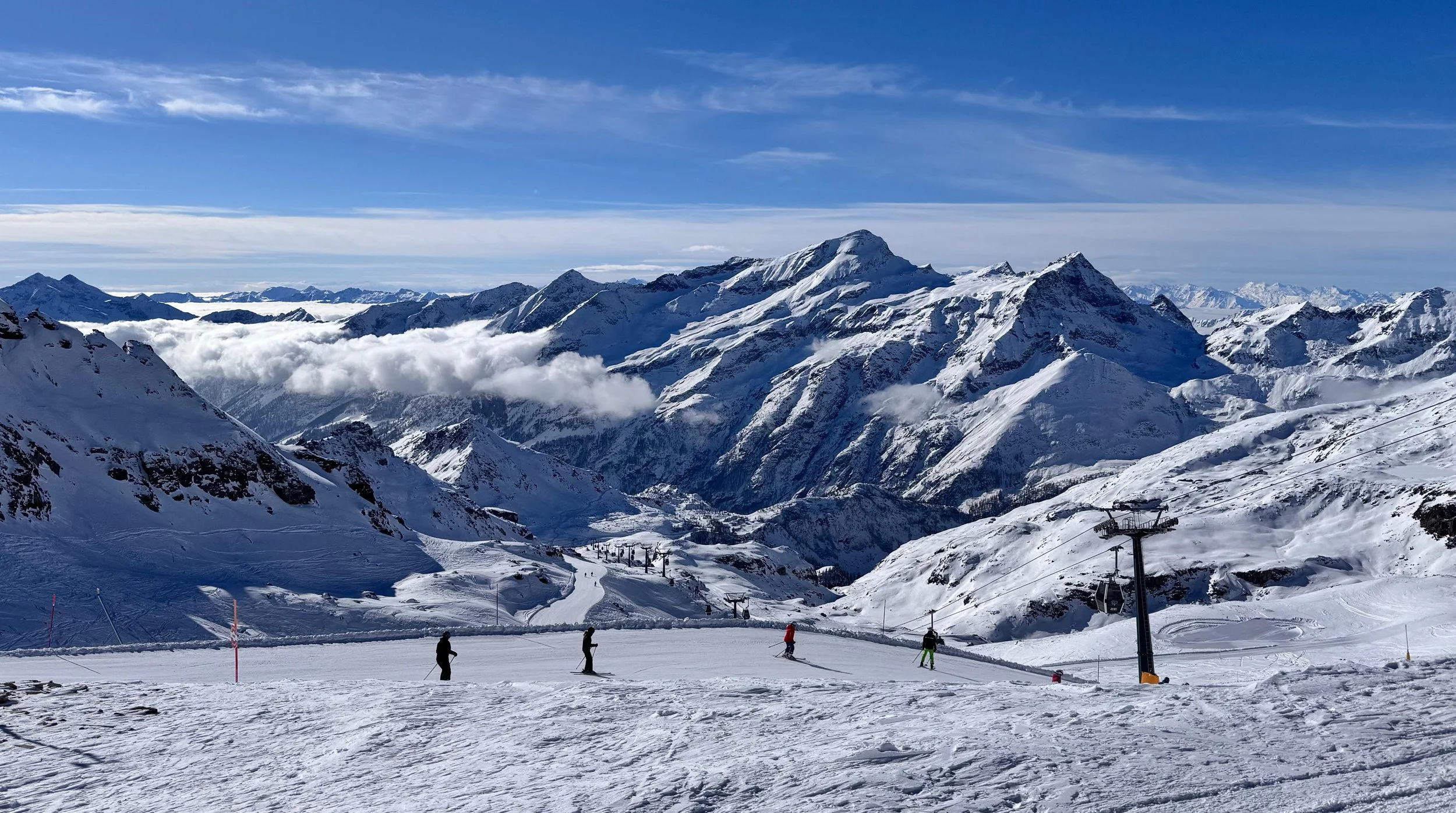
Nestled in the heart of the Italian Alps, Aosta Valleyis a region where nature, history and mountain life exist in quiet harmony. Surrounded by Europe’s highest peaks, Mont Blanc, the Matterhorn, Monte Rosa and Gran Paradiso — this small alpine region carries a powerful presence. The landscapes are dramatic yet calming, vast yet intimate, and the rhythm of life follows the seasons rather than the clock. ..
Unlike many mountain destinations, Aosta Valley has remained authentic. Stone villages, wooden barns, forest paths and open meadows shape the scenery, and nature is part of daily life, not something separate. This is one of the reasons it has become such a natural setting for a retreat in Italy — the environment itself helps you slow down.
Aosta Valley - The Heart of the Italian Alps
Where Nature Does the Resetting
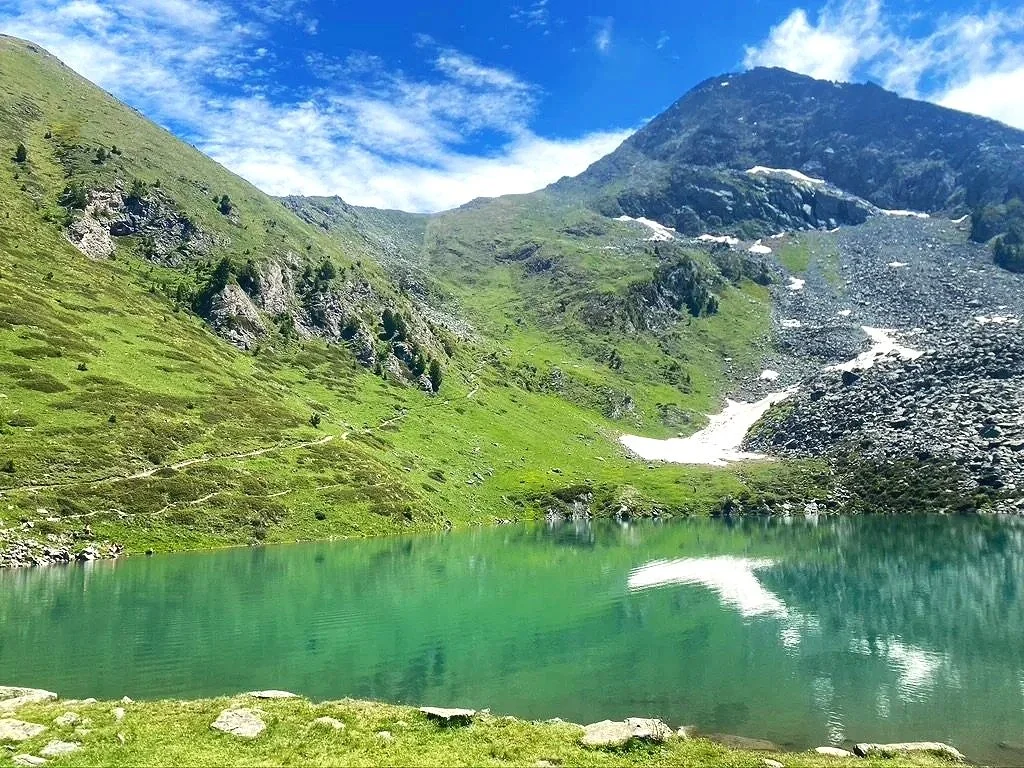
The air is noticeably clearer here. Silence feels deeper. Views stretch far enough to quiet the mind. In the valley you find gentle trails through pine forests, waterfalls fed by melting glaciers, alpine lakes, and wide pastures inside Gran Paradiso National Park, Italy’s oldest national park.
Time outdoors here has a different quality. People often notice they sleep more deeply, breathe more fully, and feel lighter without trying. The mountains have a grounding presence that makes this part of the Italian Alps especially suited to wellbeing, reflection and reconnection.
A Living History in the Mountains
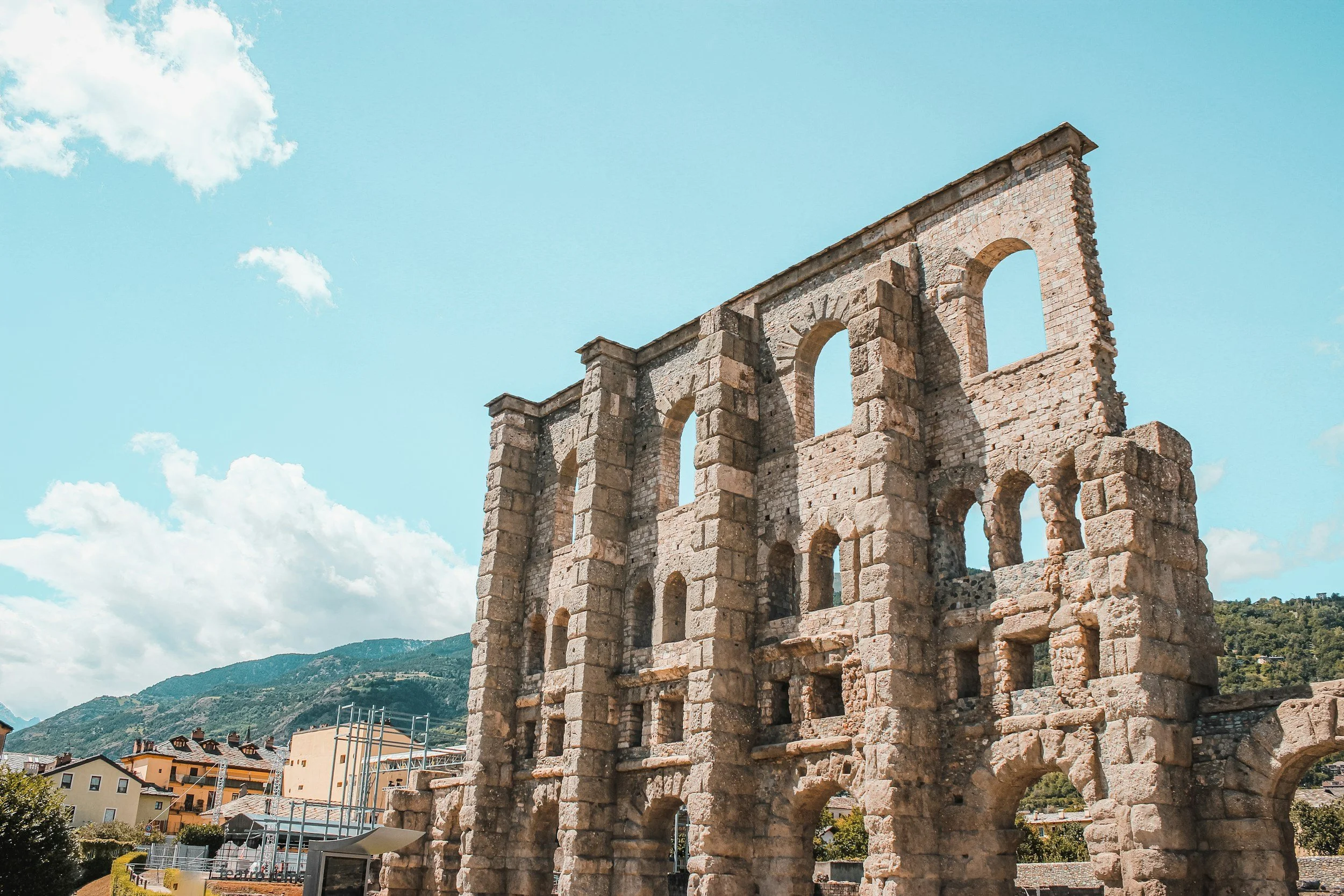
Aosta town is often called the “Rome of the Alps.” Founded over two thousand years ago, it still holds remarkable Roman remains woven into everyday life. Walking through the streets, you pass ancient gates, an impressive Roman theatre, and the Arch of Augustus standing where it has for centuries.
Beyond the town, medieval castles watch over the valley from rocky hills, and traditional alpine villages continue customs that have been handed down through generations. History here isn’t distant — it’s something you move through as you explore.
The Quiet Treasures of the Valley
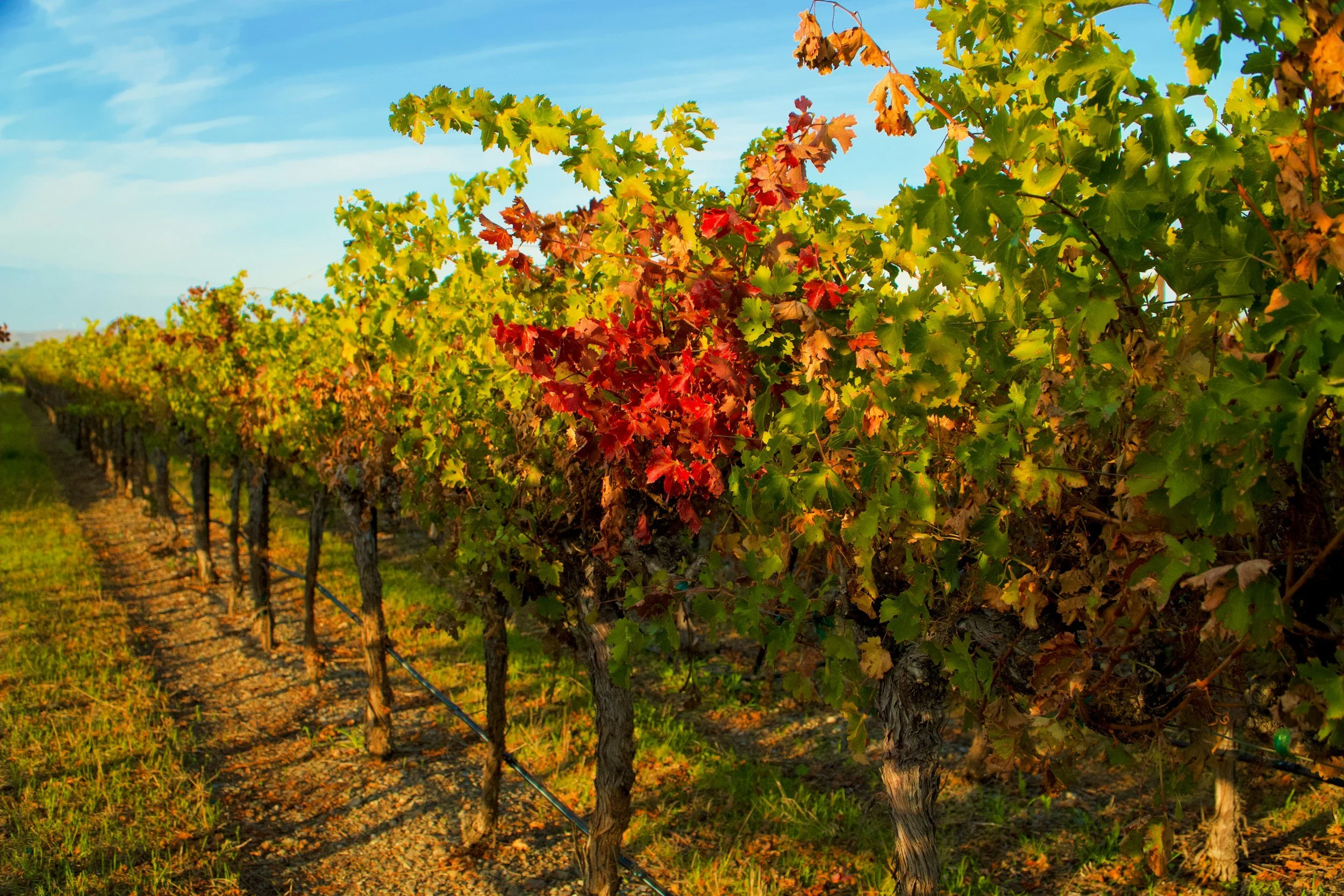
Away from the main roads, the valley reveals its softer side. Small Walser villages reachable only on foot, hidden mountain lakes reflecting the sky, thermal waters in nearby spas, and vineyards growing at surprising altitudes all add to the sense of discovery.
These are not places to rush through; they invite you to wander and notice.
Mountain Food, Simple and Nourishing
Food in Aosta Valley is shaped by the land, the altitude and the seasons. Dishes are hearty, warming and deeply satisfying, created to nourish people who live and work in the mountains.
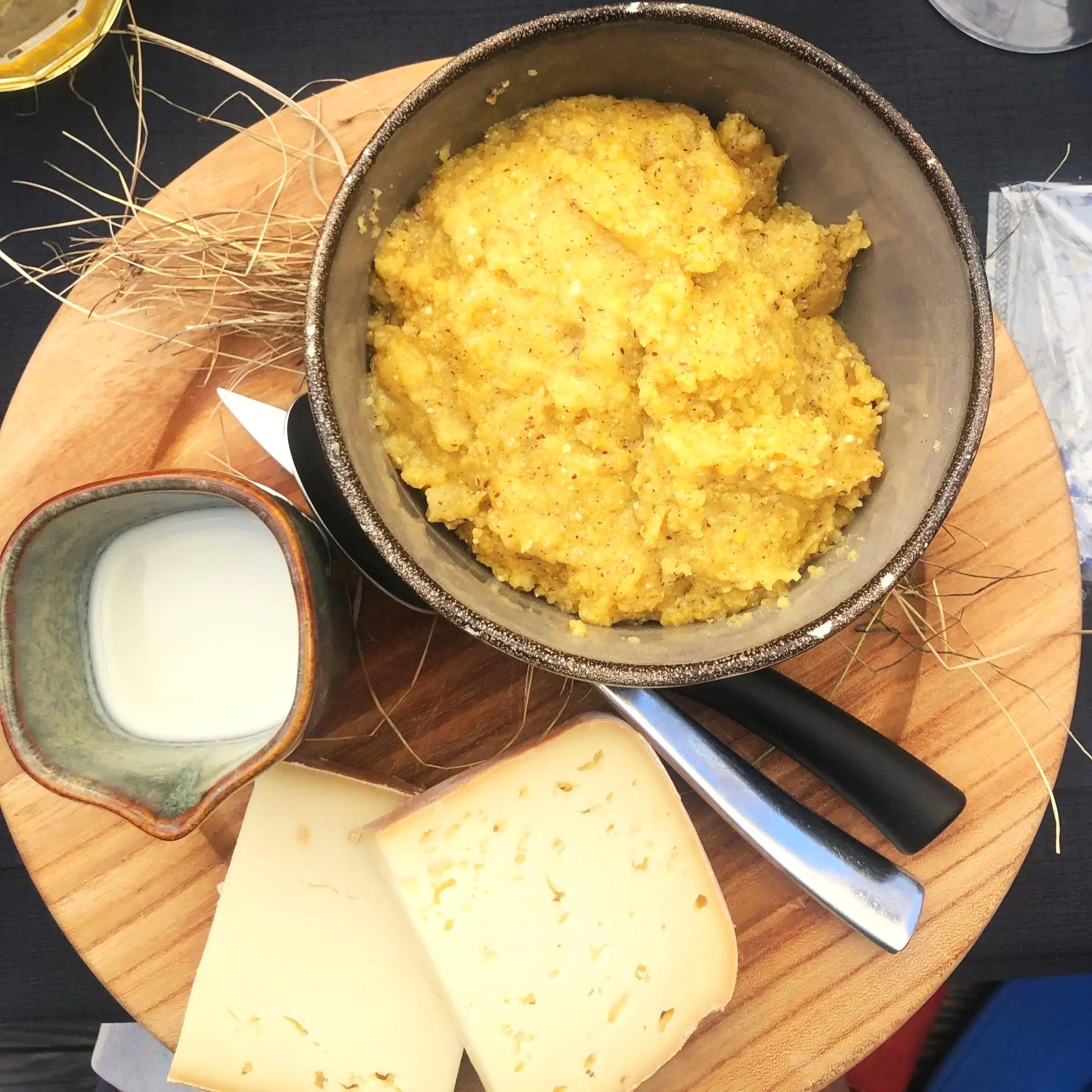
Local ingredients like Fontina cheese, alpine butter, potatoes, mountain herbs and hardy vegetables form the base of many traditional recipes that have been passed down through generations.
You’ll find comforting dishes such as polenta concia (polenta enriched with melted Fontina and butter), fonduta made with the region’s famous cheese, and rustic soups (minestrone) thick with grains and vegetables. Slow-cooked meats and cured mountain hams reflect the valley’s pastoral traditions, while simple rye bread and local honey speak of an older alpine way of life.
Meals feel grounding and satisfying, the kind that naturally follow a day outdoors in fresh alpine air.
Why The Aosta Valley Is Such a Powerful Place for a Retreat
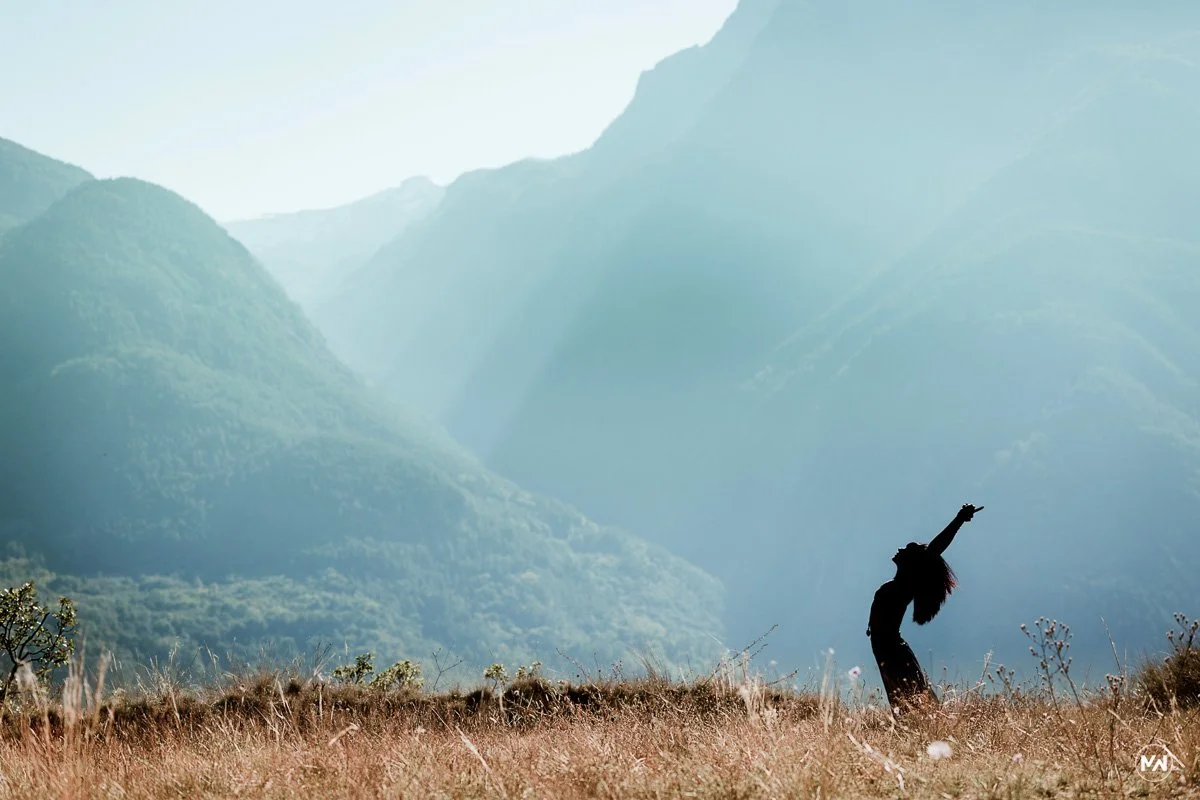
Aosta Valley holds a rare balance. The mountains are vast and dramatic, yet life here remains gentle and unhurried. You can move your body in nature, then find stillness without effort. Adventure and restoration sit side by side.
For many women, this combination creates the ideal space to step away from everyday pressure, breathe deeply again, and reconnect with themselves in a natural, supportive environment.
A retreat in Italy set in the Italian Alps offers not only scenery, but space — the kind that stays with you long after you leave.
Frequently Asked Questions
-
Yes, Aosta Valley is well connected by motorway from Milan and Turin. Through the Mont Blanc tunnel from France, and through the Grand Saint Bernard tunnel or pass in the summer from Switzerland.
Closest airports are Turin and Milan Malpensa, Geneva.
-
Aosta Valley is known for its dramatic Alpine scenery surrounded by Europe’s highest peaks, its remarkably preserved Roman history in Aosta town, fairytale medieval castles, protected nature in Gran Paradiso National Park, and strong mountain traditions reflected in its food, villages, and slower rhythm of life.
-
It was the birthplace of St. Anselm (1033/34–1109), archbishop of Canterbury. Aosta retains the walls, two gates, and the street plan of its Roman predecessor, as well as a triumphal arch in honour of Augustus and remains of the theatre, the amphitheatre, and the road from Eporedia (modern Ivrea)
-
Very much so. The clean mountain air, forests, lakes, and open landscapes naturally support rest and mental clarity. The slower pace of life and connection to nature make it an ideal environment for reflection, gentle movement, and restoration.
-
Famous for hearty alpine cuisine:
Fontina cheese
Polenta and mountain stews
Cured meats
Local wines like Prié Blanc grown at high altitude
Food here is simple, traditional, and tied to the land.